
Currently Empty: ₨ 0
Understanding the psychological triggers behind gambling behavior
The Role of Emotion in Gambling
Emotions play a crucial role in gambling behavior, often acting as the primary motivators for individuals engaging in such activities. Many gamblers experience a rush of excitement when placing a bet or spinning the roulette wheel. This emotional high can lead to repeated gambling, as individuals seek to relive that initial thrill. The anticipation of winning, along with the adrenaline rush associated with each gamble, can create a powerful incentive to continue betting. Additionally, you can check out betting sites united kingdom, which help bettors make informed choices, often blurring the lines of rational decision-making.
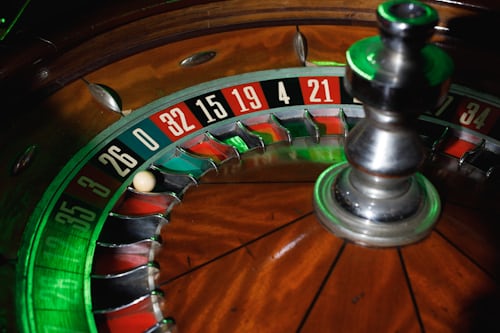
Moreover, negative emotions, such as stress or anxiety, can also trigger gambling behavior. For some, gambling serves as a coping mechanism to escape from daily pressures or emotional distress. This avoidance strategy may provide temporary relief; however, it can lead to a cycle of dependency where individuals increasingly rely on gambling to manage their emotional state. The interplay of both positive and negative emotions highlights the complex psychological landscape that underpins gambling behavior.
Furthermore, the emotional aspects of gambling are amplified by social contexts and peer influences. The communal environment of casinos or betting venues can enhance feelings of belonging and excitement, further motivating individuals to gamble. When individuals witness peers winning, the emotional contagion can spur them to participate in hopes of achieving similar outcomes. Thus, emotions significantly impact gambling behavior, making it essential to understand their underlying mechanisms for a comprehensive view of this phenomenon.
Cognitive Distortions in Gambling
Cognitive distortions are flawed thought patterns that can significantly influence gambling behavior. One of the most common is the illusion of control, where gamblers believe they can influence the outcome of random events. This mindset often leads individuals to engage in betting strategies that have no real effect on results, such as tossing dice in a particular way or believing they have “lucky” numbers. This distortion encourages persistent gambling, despite the inherent randomness of games.
Another prevalent cognitive distortion is the gambler’s fallacy. This belief leads individuals to think that past events influence future outcomes, such as assuming that a losing streak will be followed by a win. Gamblers might perceive that a machine or game is “due” for a payout, which can result in continued betting despite previous losses. These faulty beliefs not only sustain gambling behavior but also contribute to a dangerous cycle of overconfidence and poor decision-making.
Lastly, confirmation bias plays a role in how gamblers interpret their experiences. Individuals may remember wins more vividly than losses, reinforcing the idea that they are “good” at gambling. This selective memory can perpetuate gambling behavior, as the perceived successes overshadow the reality of losses. Understanding these cognitive distortions is vital for recognizing how they fuel gambling habits and contribute to the potential for problem gambling.
Social and Cultural Influences on Gambling
Social norms and cultural attitudes can significantly shape gambling behavior. In some cultures, gambling is celebrated as a form of entertainment, while in others, it may be frowned upon or viewed negatively. This cultural backdrop influences individual attitudes towards gambling, impacting whether people see it as a harmless pastime or a vice to be avoided. In environments where gambling is socially accepted, individuals may be more likely to engage in such activities.
The role of peer influence cannot be understated in the context of gambling. Friends and family can strongly affect an individual’s gambling behavior, either by encouraging participation or expressing disapproval. Social settings, such as casinos and betting bars, often create an atmosphere of excitement that can draw individuals in, especially when surrounded by enthusiastic peers. The desire for social acceptance can prompt individuals to engage in gambling, even if it conflicts with their personal beliefs.
Additionally, the increasing normalization of gambling through media and marketing further shapes public perception. Advertisements often glamorize gambling, associating it with wealth, excitement, and social status. This portrayal can lead to a misperception of gambling as a lucrative endeavor rather than a high-risk activity. Consequently, individuals may underestimate the potential dangers associated with gambling, making them more susceptible to engaging in these behaviors.
Psychological Addiction and Gambling
Gambling can lead to psychological addiction, characterized by compulsive behavior and an inability to stop despite negative consequences. This addiction often stems from the brain’s reward system, which releases dopamine in response to wins, creating feelings of pleasure and reinforcing the behavior. Over time, individuals may need to gamble more to achieve the same emotional high, leading to escalating bets and increasingly risky behavior.
The cycle of addiction is often accompanied by a series of cognitive and emotional struggles. As individuals chase losses, they may experience guilt, shame, and anxiety, which can further perpetuate their gambling behavior. This paradox of seeking relief through gambling while simultaneously causing emotional turmoil highlights the complexity of gambling addiction. Treatment often requires addressing both the psychological triggers and the underlying emotional issues contributing to the addiction.
Recognizing the signs of gambling addiction is essential for early intervention. Individuals may exhibit changes in behavior, such as increased secrecy, lying about gambling habits, or neglecting responsibilities. Understanding the psychological roots of gambling addiction can help individuals and their loved ones seek appropriate support and resources, ultimately fostering recovery and healthier coping mechanisms.

Your Resource for Informed Gambling Choices
For those interested in exploring gambling and betting, it is essential to have access to reliable information and resources. Our website serves as a valuable platform for both seasoned gamblers and newcomers, offering comprehensive insights into various betting options, strategies, and platforms. By providing detailed reviews and comparisons of the best betting sites, we empower users to make informed choices tailored to their individual needs.
Our expert guidance includes real-time updates, bonus comparisons, and user experiences to help you navigate the ever-evolving landscape of online gambling. Understanding the psychological triggers behind gambling behavior is part of our mission to promote responsible gambling and awareness. We aim to equip our users with the knowledge necessary to enjoy gambling responsibly and enhance their overall experience.
As you embark on your gambling journey, remember that awareness and education are your best tools. By understanding the psychological factors at play, you can make more informed decisions, minimize risks, and enjoy a more rewarding experience. Start exploring our website today and elevate your understanding of gambling, ensuring that your experiences are both enjoyable and responsible.