
Currently Empty: ₨ 0
The psychology of risk Understanding the mental effects of gambling
The allure of gambling
The allure of gambling often stems from the excitement and thrill it provides. Many players are drawn to the potential of winning large sums of money, which can create a sense of exhilaration. This rush is partly fueled by adrenaline, as individuals engage in high-stakes bets that can change their fortunes in an instant. The unpredictability of outcomes also heightens the sense of excitement, making players feel alive and engaged. Furthermore, those who explore Betscore can find various ways to enhance their strategies and experiences.

However, this thrill can lead to an overestimation of one’s chances of success. Cognitive biases, such as the illusion of control, often lead players to believe they can influence the outcomes of games of chance. This false sense of confidence can cause individuals to take larger risks, resulting in significant losses. Understanding these psychological factors is crucial for anyone involved in gambling, as it allows for a more informed approach to risk management.
Moreover, the environment in which gambling occurs can amplify these feelings. Bright lights, engaging sounds, and the presence of other enthusiastic players all contribute to an intoxicating atmosphere that encourages risk-taking. This sensory overload can cloud judgment and lead to impulsive decisions, pushing players further into the gambling experience. Recognizing these elements is vital for maintaining a healthy relationship with gambling.
The psychology behind decision-making
Gambling decisions are often influenced by psychological factors rather than pure probability. One common phenomenon is the gambler’s fallacy, where individuals believe that past outcomes can affect future results in random games. For instance, a player may assume that if a particular number hasn’t come up recently, it is “due” to appear soon. This flawed reasoning can lead to misguided bets and increased financial risk. Betscore provides insights that can help players navigate these psychological traps effectively.
Another psychological aspect is the concept of loss aversion. Research shows that the pain of losing is often more intense than the pleasure of winning. Consequently, gamblers may chase their losses, attempting to recoup funds lost during previous rounds. This behavior can create a vicious cycle, leading to greater financial distress and emotional turmoil. Understanding this aspect of decision-making can empower players to adopt strategies that mitigate their losses.
Additionally, cognitive dissonance plays a role in how gamblers justify their decisions. When players lose money, they might rationalize their actions by focusing on past wins or external circumstances. This mental gymnastics can prevent them from acknowledging harmful patterns, making it more challenging to change behavior. Awareness of these psychological mechanisms is crucial in fostering healthier gambling habits and promoting better decision-making.
The emotional impact of gambling
The emotional rollercoaster that accompanies gambling is significant. Many players experience a wide range of emotions, from euphoria during wins to despair after losses. These fluctuations can lead to increased stress and anxiety, which may adversely affect mental health. Over time, this emotional turmoil can contribute to a cycle of addiction, where the thrill of potential wins becomes a coping mechanism for underlying issues.
Moreover, social factors can exacerbate the emotional impact of gambling. Players often find themselves in environments where peer pressure is prevalent, encouraging them to gamble more than they initially intended. This social context can lead to feelings of inadequacy or the fear of missing out, pushing individuals to take unnecessary risks. Understanding these influences is essential for developing a comprehensive view of the emotional effects of gambling.
Importantly, the sense of community found in gambling settings can be double-edged. While some players may enjoy the camaraderie and support of fellow gamblers, others might feel isolated and ashamed about their losses. This dichotomy highlights the need for open conversations about gambling behaviors and emotional health. Emphasizing awareness and understanding can lead to more supportive environments for those struggling with gambling-related issues.
The consequences of gambling behavior
The consequences of gambling behavior extend beyond mere financial loss. Many players face significant personal and professional repercussions, including strained relationships, job loss, and mental health disorders. The impacts of these consequences can be profound, affecting not only the individual but also their loved ones. Recognizing the broad scope of these effects is crucial for developing effective intervention strategies.
Moreover, financial ruin can lead to a sense of hopelessness, creating a feedback loop where the individual feels compelled to gamble more in an attempt to escape their dire circumstances. This destructive cycle can rapidly spiral out of control, making recovery increasingly difficult. Awareness of the signs of problematic gambling behavior can be the first step in breaking free from this cycle.
Additionally, societal impacts should not be overlooked. Communities often bear the burden of gambling-related issues through increased crime rates, bankruptcy filings, and reliance on social services. This wider implication highlights the importance of education and support systems aimed at promoting responsible gambling. Implementing preventative measures can help mitigate the negative effects felt on both personal and societal levels.
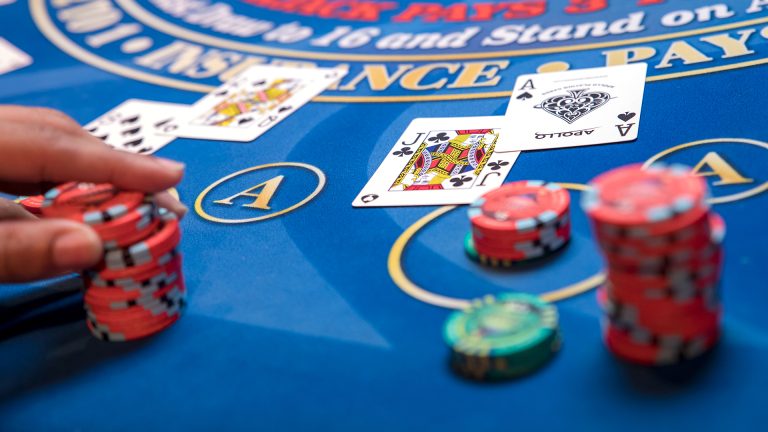
BetScore Casino: A commitment to responsible gaming
At Casino, the commitment to responsible gaming is at the forefront of our mission. Our platform recognizes the potential risks associated with gambling and actively promotes a safe and enjoyable environment. By providing resources for responsible gaming, we empower players to make informed decisions and maintain control over their gambling experiences.
We offer a variety of tools to help players manage their gambling habits effectively. This includes setting limits on deposits, bets, and playtime, allowing individuals to maintain control. Additionally, our dedicated support team is always available to provide guidance and answer any questions regarding responsible gaming. Casino prioritizes the mental well-being of its players, ensuring that gaming remains a source of entertainment rather than a path to distress.
Joining Casino not only means engaging with an extensive selection of games but also participating in a community that values mental health and responsible gambling. Together, we can create a gaming environment that emphasizes enjoyment while being mindful of the psychological impacts of risk. Join us today to experience the thrill of gaming in a responsible way, enhancing your enjoyment without compromising your well-being.